
Auditorium Acoustic Design: A Practical Guide for Speech, Music and Performance Spaces
By Daniel Natoli, Director, AKA Acoustics (MAAS, MAES). Last updated: 27 June 2026.
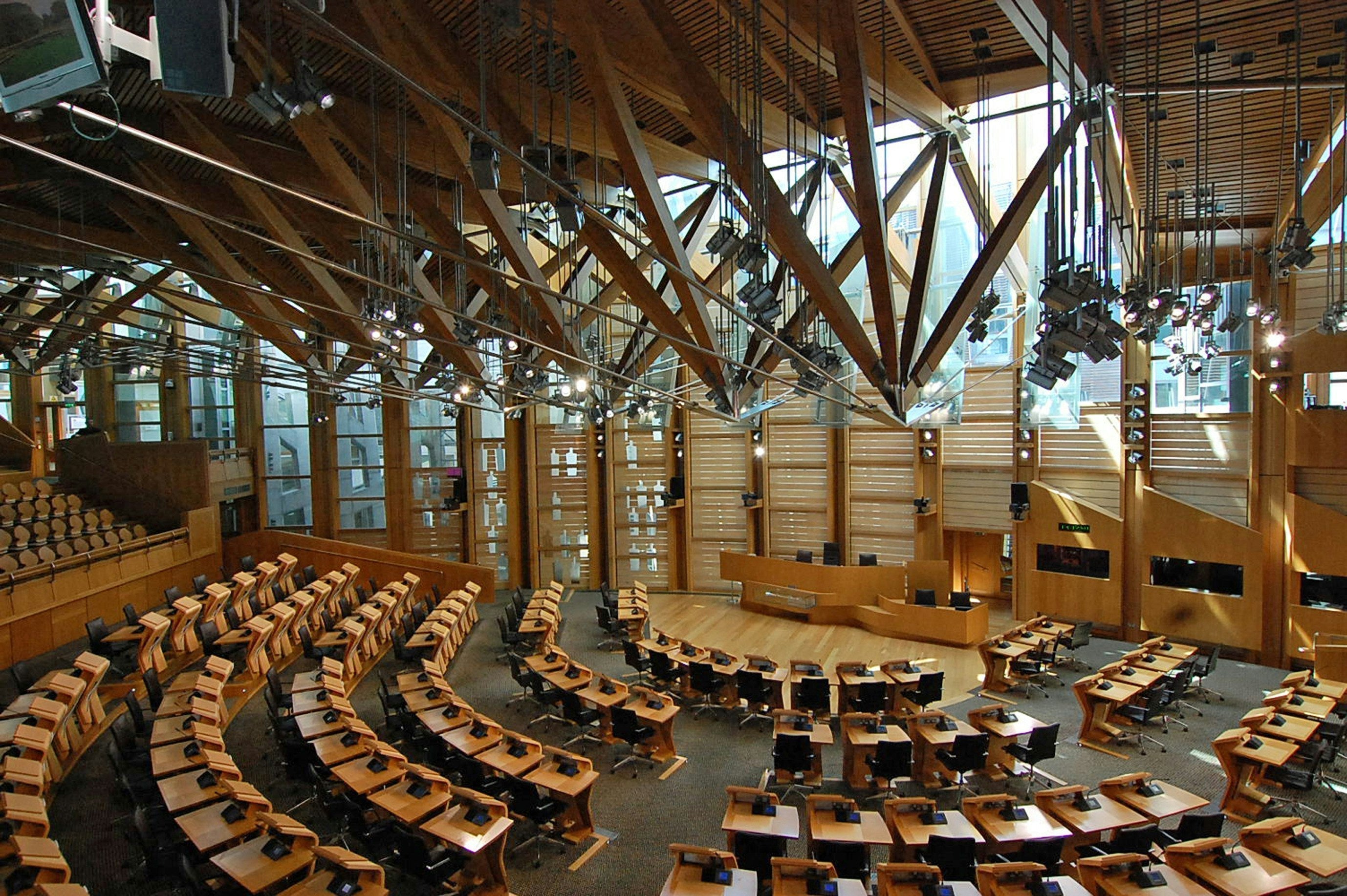
Auditorium acoustic design is the coordinated engineering of speech intelligibility, reverberation, background noise, sound isolation, electroacoustic coverage, architectural finishes and final verification. A successful auditorium is not simply a room with acoustic panels. It is a performance environment where room geometry, surface treatment, seating, stage design, HVAC noise, isolation, loudspeaker systems, doors, glazing, services penetrations and construction detailing all support the intended use.
For speech-led auditoria, the priority is clarity: the audience must understand every word from the front rows to the rear seats. For music-led rooms, the priority shifts toward reverberance, warmth, support and envelopment. Multipurpose halls need a more deliberate strategy because a fixed compromise often produces a room that is too live for speech and too dry for music. AKA Acoustics works as a turnkey acoustic delivery partner, carrying acoustic intent from brief and design through to materials, trades, AV integration, commissioning and measurement.
Planning an auditorium, lecture theatre or performance venue?
AKA coordinates the acoustic brief, technical design, specialist materials, construction interfaces, AV integration and commissioning pathway before the room is locked into costly decisions.
Contact AKA AcousticsCall 1300 039 639What makes an auditorium acoustically good?
A good auditorium performs against several acoustic criteria at once. The room needs suitable reverberation time, strong early reflection support, even audience coverage, controlled echoes, low background noise and adequate isolation from adjacent spaces, plant rooms, foyers and external noise sources. In speech-led rooms, the result is often judged through intelligibility metrics such as Speech Transmission Index, supported by clarity measures such as C50. In music-led rooms, the assessment shifts toward reverberation time, early decay time, C80, lateral energy, warmth and subjective musical support.
The important point is that these criteria interact. A room can be quiet but still unclear. It can have a suitable reverberation time but poor reflection distribution. It can measure well when empty but change significantly when occupied. It can have quality wall and ceiling finishes but fail because the HVAC system is too loud, the doors leak, or the loudspeaker system does not cover the seating plane evenly.
| Acoustic requirement | Why it matters | Common failure mode |
|---|---|---|
| Reverberation time | Controls how long sound remains in the room after the source stops. | Too long for speech, too short for music, or uneven across frequency bands. |
| Speech intelligibility | Determines whether listeners can clearly understand speech across the seating area. | Excessive reverberation, poor loudspeaker coverage, high noise floor or late reflections. |
| Early reflections | Support the direct sound and improve clarity, presence and acoustic strength. | Useful energy is absorbed too early, or reflections arrive late as audible echoes. |
| Background noise | Sets the noise floor that speech, music and amplified systems must rise above. | HVAC, plant, lighting, projectors, traffic or foyer noise masks detail. |
| Sound isolation | Protects the auditorium from outside noise and protects adjacent spaces from auditorium noise. | Weak doors, glazing, penetrations, ceiling voids, structure-borne paths or flanking transmission. |
| Electroacoustic coverage | Ensures amplified speech and music reach the audience evenly and intelligibly. | Loudspeakers are selected or placed without reference to room acoustics, sightlines or seating geometry. |
The room is not finished when it looks complete. It is finished when the acoustic intent, built fabric, systems and measured result align.

What reverberation time should an auditorium have?
There is no single correct reverberation time for every auditorium. The target depends on room volume, use, occupancy, geometry, audience absorption, finishes and whether the room is intended for speech, drama, amplified performance, orchestral music or mixed use. AS/NZS 2107:2016 is commonly used in Australia and New Zealand to guide recommended internal sound levels and reverberation targets for different space types, while specialist performance venues often require more detailed acoustic design beyond a simple table value.
Speech rooms generally need shorter reverberation so consonants remain clear. Music rooms generally need longer reverberation so notes blend, sustain and fill the room. A lecture theatre, drama theatre and concert hall should not be designed to the same target.
| Auditorium type | Typical acoustic direction | Design emphasis |
|---|---|---|
| Lecture theatre or speech auditorium | Shorter reverberation. | Speech clarity, STI, C50, low background noise and even amplified coverage. |
| Drama theatre | Moderate reverberation. | Spoken voice, stage support, audience intimacy, controlled reflections and low noise floor. |
| Multipurpose hall | Variable or carefully balanced reverberation. | Speech and music modes, variable absorption, reflectors, stage use and AV flexibility. |
| Opera or musical theatre venue | Music-supportive reverberation with speech and vocal clarity protected. | Blend, vocal projection, orchestra support, stage-house relationships and controlled noise. |
| Concert hall | Longer reverberation. | Reverberance, warmth, envelopment, bass response, lateral reflections and musical support. |
A quoted reverberation target should always be read with context: occupied or unoccupied, frequency range, tolerance, measurement method and room use. Audience absorption can significantly change the measured result, so an empty-room target is not the same as an occupied-room performance outcome.
How is a lecture theatre different from a drama theatre or concert hall?
A lecture theatre is primarily an intelligibility problem. A drama theatre is a spoken-performance problem. A concert hall is a musical-support problem. All three may be called auditoria, but they should not be treated as the same acoustic brief.
Speech carries meaning through short, fast sounds. If the room holds energy for too long, syllables overlap and intelligibility falls. Music benefits from controlled sustain, blend and spatial impression. If the room is too dry, the music can feel small, exposed and unsupported. This is why the dominant use must be defined before the finishes are selected, the ceiling geometry is fixed, the loudspeaker system is chosen or the project is priced.
The drama end of this spectrum, where stage design, spoken voice, audience intimacy and technical production all interact, is covered in more depth in our guide to theatre acoustic design.

How do you design one room for both speech and music?
A genuine multipurpose auditorium usually needs variable acoustics, not a fixed compromise. A room designed halfway between speech and music often satisfies neither use. It may be too reverberant for conferences, lectures and drama, yet too dry for acoustic music, choir, orchestral performance or recital use.
Variable acoustic strategies allow the room to change behaviour for different modes. These may include retractable acoustic banners, operable curtains, rotating absorptive or reflective elements, adjustable ceiling reflectors, removable stage shells, coupled reverberation volumes or electronic acoustic enhancement. The correct approach depends on the size of the room, the production model, budget, architectural intent and how often the venue changes use.
Typical multipurpose design modes
- Speech mode: absorption is deployed, late reflections are controlled, the sound system is tuned for intelligibility and the room supports lectures, conferences, assemblies or spoken performance.
- Drama mode: the room balances spoken voice support, stage intimacy, controlled reverberation and audience connection.
- Music mode: absorption is reduced or concealed, reflective support is increased, and the room gives performers and listeners a longer, more supportive acoustic response.
- Amplified performance mode: reverberation and low-frequency build-up are controlled so the PA system remains clear, powerful and predictable.
The design task is to define the required modes early, then engineer the room, finishes and systems so those modes are achievable in use. Variable acoustics should not be treated as a decorative curtain package added after the room is designed. It must be integrated into architecture, structure, rigging, maintenance, fire compliance, sightlines, operations and commissioning.
What background-noise level should an auditorium have?
The background-noise target depends on the use of the room. A speech auditorium, theatre, cinema, recital room or concert hall will generally require a lower noise floor than a standard multipurpose room, classroom or general assembly space. The quieter the intended source, the more important background-noise control becomes.
Background noise usually comes from HVAC systems, plant rooms, lighting systems, AV equipment, projection systems, hydraulic services, traffic, rain noise, foyers, adjacent tenancies and structure-borne vibration. In a speech-led room, background noise reduces speech-to-noise ratio and can reduce intelligibility. In a music or performance room, it masks detail, lowers perceived quality and can make quiet passages unusable.
Common noise sources to control
- HVAC noise: fan noise, diffuser noise, duct breakout, grille turbulence and regenerated noise.
- Plant noise: chillers, pumps, condensers, air-handling units, lifts and hydraulic services.
- External noise: traffic, aircraft, rail, weather, neighbours and loading docks.
- Internal noise: foyers, corridors, toilets, back-of-house areas, bars, kitchens and adjoining rooms.
- Technical noise: projectors, dimmers, lighting control, AV racks, equipment fans and stage machinery.
A low noise floor is rarely achieved by one product. It comes from coordinated services design, plant selection, duct attenuation, vibration isolation, resilient mounting, room-envelope performance, door and glazing specification, penetration detailing and commissioning.
How do you stop foyer, plant and street noise entering the auditorium?
Sound isolation must be designed as a system. The auditorium envelope, doors, glazing, ceiling voids, floor structure, roof, services penetrations and junctions all need to support the intended isolation outcome. A high-rated wall will not deliver its laboratory performance on site if sound travels through an unsealed door, ceiling plenum, duct, riser, façade path, floor junction or structural connection.
This distinction matters because sound isolation is not the same as acoustic treatment. Acoustic treatment controls sound inside the room. Isolation controls sound transmission into or out of the room. Adding absorptive panels to an auditorium may reduce reverberation, but it will not solve noise transfer from the foyer, plant room, road or adjoining tenancy.
The three main isolation paths
- Airborne noise: speech, music, crowd noise, traffic and PA systems transmitting through walls, doors, glazing, roofs or floors.
- Structure-borne noise: vibration from plant, subwoofers, footfall, lifts, machinery or adjacent uses travelling through the building structure.
- Flanking noise: sound bypassing the main separating element through junctions, ceilings, services, cavities, penetrations or connected structures.
In auditorium projects, foyer control is often underestimated. A busy foyer, bar, circulation zone or adjoining function space can leak into the auditorium during quiet passages or spoken presentation. Acoustic lobbies, sound locks, rated doors, vestibules, seals, absorptive foyer finishes and careful operational planning can be as important as the main room treatment.
What should be specified for an auditorium acoustic package?
A useful auditorium acoustic specification does more than name products. It defines the performance outcome, the construction build-up, the interface conditions, the substitution rules, the installation tolerances and the verification method. This is where many projects lose acoustic intent: the design is conceptually correct, but procurement and construction convert it into something different.
| Specification item | What should be defined | Why it matters |
|---|---|---|
| Room acoustic targets | Reverberation time, EDT, clarity, speech intelligibility and frequency-band tolerances. | Prevents vague treatment packages that look correct but do not meet the room’s purpose. |
| Background-noise criteria | Target noise level, measurement condition, operating scenario and services assumptions. | Protects intelligibility, musical detail and perceived quality. |
| Isolation build-ups | Walls, floors, roofs, doors, glazing, penetrations, seals and flanking controls. | Avoids weak points that undermine otherwise high-performing construction. |
| Acoustic finishes | Absorption, reflection, diffusion, fire requirements, durability, maintenance and aesthetic integration. | Ensures the finish works acoustically, visually and operationally. |
| AV and electroacoustics | Loudspeaker coverage, intelligibility, delay strategy, tuning requirements and integration with architecture. | Prevents the sound system fighting the room. |
| Verification | Measurement standard, test locations, operating conditions, reporting format and acceptance criteria. | Turns acoustic intent into a defensible as-built outcome. |
What can go wrong in auditorium acoustic design?
Most auditorium failures are not caused by a lack of acoustic products. They are caused by acoustic decisions being separated from architecture, services, structure, procurement, installation and commissioning. The earlier acoustic intent is defined, the easier it is to protect. The later it is introduced, the more likely the project is forced into visible treatment, expensive rework or compromised performance.
Common failure modes
- Treating reverberation time as the only target: RT matters, but so do early reflections, clarity, background noise, isolation, coverage and room geometry.
- Confusing absorption with soundproofing: internal treatment does not stop noise entering or leaving the room.
- Leaving HVAC too late: a quiet auditorium can be compromised by noisy diffusers, fan noise, duct breakout or plant vibration.
- Allowing uncontrolled substitution: similar-looking products may not have equivalent acoustic, fire, durability or installation performance.
- Ignoring flanking paths: a high-rated wall can fail if the ceiling void, junction, door, glazing or service penetration bypasses it.
- Separating AV from room acoustics: loudspeaker placement, tuning and intelligibility depend on the room, not just the equipment.
- No final measurement: without commissioning and testing, the project relies on assumption rather than evidence.
Consultant-only, builder-led or integrated delivery?
Auditorium projects often involve acoustic consultants, architects, builders, AV integrators, mechanical engineers, interior designers, suppliers, installers and venue operators. Each discipline may do its own part correctly, but performance can still fail at the interfaces. That is why the delivery model matters.
| Project model | Typical strength | Common risk | Where AKA adds value |
|---|---|---|---|
| Separate acoustic consultant | Independent advice, modelling and reporting. | Design intent can be diluted during procurement, substitution or installation. | AKA can remain involved through specification, product selection, supply coordination, construction support and commissioning. |
| Builder-led delivery | Programme control and construction execution. | Acoustic systems may be treated like standard partitions, finishes or fit-out items. | AKA helps protect acoustic performance at junctions, penetrations, interfaces, tolerances and handover. |
| Product supplier only | Material availability and logistics. | A product may be selected without the right build-up, installation method or verification process. | AKA connects product selection to acoustic intent, buildability and project-specific performance requirements. |
| AV integrator only | Technology deployment, wiring, system setup and tuning. | The room, isolation, background noise and geometry may limit the final result. | AKA coordinates the acoustic room, AV system, loudspeaker strategy, finishes and commissioning process together. |
| AKA integrated delivery model | Engineering, design, product selection, delivery coordination and commissioning aligned from the start. | Requires early engagement and a clear performance brief. | One streamlined pathway from technical intent to completed performance environment. |
This does not mean every auditorium needs the same procurement model. Some projects need advisory input only. Some need design review and documentation. Some need product supply and construction support. Others need a complete turnkey pathway. The point is to define responsibility early so acoustic performance is not left to chance between separate scopes.
How AKA Acoustics approaches auditorium acoustic design
AKA Acoustics works as a turnkey acoustic delivery partner for high-performance rooms where technical intent needs to survive design, procurement, construction and commissioning. The role is not limited to writing an acoustic report. AKA coordinates the pathway from brief to built outcome, including acoustic strategy, technical design, product selection, specialist material supply, construction interfaces, AV and electroacoustic coordination, commissioning, testing and handover documentation.
The AKA pathway
- Define the acoustic brief: dominant use, secondary uses, audience capacity, speech/music priority, operational model, noise sensitivity and performance expectations.
- Set measurable targets: reverberation, clarity, speech intelligibility, background noise, isolation, vibration and AV performance criteria.
- Coordinate architecture and services: room shape, seating, stage, finishes, HVAC, plant, doors, glazing, penetrations, lighting and AV infrastructure.
- Specify the system: not just products, but build-ups, interfaces, tolerances, installation requirements and substitution controls.
- Source and coordinate specialist materials: acoustic finishes, isolation systems, doors, glazing, absorptive treatments, reflectors, vibration controls and other project-specific systems.
- Protect intent during delivery: review substitutions, respond to RFIs, coordinate trades and check critical junctions before they are closed.
- Commission and verify: measure, tune, document and hand over the finished room against the agreed acoustic intent.
This integrated approach is particularly valuable where the auditorium is high-value, design-sensitive, operationally important or difficult to fix after completion. In these rooms, acoustic decisions affect user experience, reputation, complaints risk, asset quality and the credibility of the venue.
How do you know the finished auditorium will perform?
The finished room should be verified by measurement, not assumed from drawings. Room acoustic measurements can include reverberation time, early decay time, clarity, speech intelligibility, background noise, sound insulation and electroacoustic system performance, depending on the brief.
ISO 3382 is commonly used for room acoustic measurement, including reverberation and clarity metrics. IEC 60268-16 is commonly referenced for Speech Transmission Index. ISO 16283 and ISO 717 may be relevant for field sound insulation testing, depending on the project. IEC 61672 is relevant to sound level meter performance. The correct test method should be nominated before construction is complete so the project team knows what will be measured, where, under what conditions and against which criteria.
For serious projects, commissioning should not be treated as a ceremonial handover step. It is the point where the acoustic room, services, envelope, finishes and AV systems are checked as a complete environment.
What does auditorium acoustic design cost?
The cost of auditorium acoustic design depends on the performance target, project stage, existing site conditions, room volume, isolation requirement, services noise, vibration risk, finish expectations, AV integration, documentation scope and whether AKA is engaged for advisory work, product supply, delivery coordination, commissioning or a full turnkey pathway.
For serious projects, the more useful question is not “what is the cheapest acoustic report?” but “what level of acoustic responsibility does the project need?” A low-cost review may identify issues, but it will not necessarily carry the design intent through specification, procurement, installation, commissioning and measurement.
AKA prices work after understanding the brief, risk profile and required level of accountability. A lecture theatre, university auditorium, cultural venue, performing arts space, hotel event room or multipurpose hall may require very different levels of modelling, documentation, product supply, trade coordination and verification.
Need a scoped acoustic pathway, not a guess?
AKA prices projects after understanding the performance target, site constraints, product requirements, delivery model and level of accountability required.
Contact AKA AcousticsCall 1300 039 639Is acoustic design mandatory for an auditorium?
Acoustic requirements can arise from several places: the National Construction Code, development consent conditions, planning requirements, lease obligations, project briefs, education or venue standards, stakeholder requirements and contractual performance specifications. Not every acoustic target is automatically mandatory in every project, but once a requirement is written into a consent, contract, specification or stakeholder brief, it becomes part of the project’s delivery risk.
In practice, auditorium acoustic design should not be viewed only as a compliance exercise. Compliance may establish a minimum requirement, but it does not necessarily create a room that people want to use, hire, teach in, perform in or return to. For auditoria, lecture theatres and performance venues, acoustic quality is part of the asset’s experience.
Frequently asked questions
What is auditorium acoustic design?
Auditorium acoustic design is the design of reverberation, speech intelligibility, background noise, sound isolation, reflection control, electroacoustic coverage and acoustic finishes so an auditorium supports its intended use. It is not just acoustic treatment; it includes architecture, services, structure, AV systems, specialist materials, construction detailing and commissioning.
What makes an auditorium acoustically good?
A good auditorium has suitable reverberation, clear speech, even audience coverage, useful early reflections, controlled echoes, low background noise and sufficient sound isolation. The right result depends on whether the room is used for lectures, drama, amplified performance, acoustic music or mixed use.
What reverberation time should an auditorium have?
The target depends on room volume, occupancy and use. Speech rooms usually need shorter reverberation, while music rooms need longer reverberation for warmth and support. Multipurpose rooms may need variable acoustics rather than one fixed compromise. The target should be set against the actual room, not copied from another venue.
Is acoustic treatment the same as soundproofing?
No. Acoustic treatment controls sound inside the room by managing reflection, absorption, diffusion and reverberation. Soundproofing, more accurately called sound isolation, controls sound transmission into or out of the room. An auditorium may need both, but they solve different problems.
Why does HVAC noise matter in an auditorium?
HVAC noise raises the background-noise floor. That can reduce speech intelligibility, mask musical detail and make quiet performances feel less refined. Good auditorium design coordinates mechanical systems, ductwork, diffusers, plant isolation and commissioning early, rather than treating HVAC noise as a late-stage defect.
How do you design an auditorium for both speech and music?
A room that must support both speech and music may need variable acoustics. This can include retractable absorption, operable curtains, adjustable reflectors, coupled volumes, stage shells or electronic enhancement. The room should be designed around defined operating modes, not a vague middle-ground target.
Who designs auditorium acoustics in Australia?
Auditorium acoustics may be designed by acoustic consultants, theatre consultants, AV consultants or specialist design-and-delivery firms. For high-performance projects, AKA Acoustics works as a turnkey acoustic delivery partner, coordinating acoustic strategy, engineering, product selection, specialist supply, construction interfaces, AV integration, commissioning and verification.
Do I need an acoustic consultant or a turnkey acoustic delivery partner?
A consultant-only engagement may be suitable when the project needs advice, review or reporting. A turnkey acoustic delivery partner is more appropriate when the project needs performance carried through design, procurement, product selection, construction coordination, installation, AV integration and commissioning. The more performance-critical the room, the more important the delivery model becomes.
How is auditorium acoustic performance verified?
Performance can be verified through room acoustic measurement, background-noise testing, sound insulation testing, speech intelligibility testing and AV commissioning. The exact method depends on the project brief. Testing should be defined before completion so the project team understands what will be measured and under which conditions.
When should acoustic design start?
Acoustic design should start before the room geometry, services strategy, envelope, stage, seating, ceiling, major finishes and AV infrastructure are locked in. Early input is usually more efficient than late correction, because acoustic problems often become expensive once architecture and services are already committed.
Need acoustic design, supply and delivery under one coordinated pathway?
Speak with AKA before the project is split across consultants, suppliers and trades with no single party protecting the final performance.
Contact AKA AcousticsCall 1300 039 639

Share:
Home Theatre vs Media Room: What Is the Difference?
Cinema Acoustic Design: Complete Guide for Private Theatres, Commercial Cinemas and Dolby Atmos Rooms